Margins Without Mayhem: Unusual CFO Strategies That Work in the U.S. Market
Content Team • August 13th, 2025
Chief Financial Officers (CFOs) are no longer just people who deal with numbers. In today’s complicated and fast-paced business world, they are also strategic visionaries. The role of the CFO has changed a lot, especially in the U.S. market, where competition is fierce, inflation is hard to predict, and digital disruption is the norm. Forward-thinking businesses often work with San Francisco CPA accountants who understand these challenges and bring localized, strategic insights. Companies can’t just cut costs and look at standard financial reports to stay ahead anymore. Instead, winning companies have a CFO who works with the CEO to drive growth, lower risk, and build long-term profits.
This blog takes ideas from unusual strategies used in global markets, like India, and adapts them for American businesses. These strategies aren’t just ideas. They work, can be changed, and are often surprisingly easy to use, but they have a huge effect.
If you’re a business owner, CEO, or financial leader looking for better ways to boost profits without all the chaos, keep reading.
“Cash is king” is something that every finance leader knows. But in U.S. companies that do well, CFOs are doing more than just the usual monthly cash flow statement. They’re using very accurate, rolling cash flow forecasts that take into account things like daily cash flows, vendor cycles, payroll timing, seasonal changes, and how customers pay.
Important Strategies:
Why it works in the U.S.:
The U.S. economy is always changing, and it is often affected by how people feel about the market, the Federal Reserve’s policies, and global supply chains. CFOs can take advantage of last-minute vendor discounts and deal with problems like COVID-19, tariffs, or interest rate hikes by being more aggressive with cash flow.
Tip for CFOs in construction, manufacturing, and SaaS: daily liquidity dashboards are very helpful.
Smart CFOs are using activity-based costing (ABC) and variable cost modeling instead of flat rates or departmental allocations to figure out how much things cost. This lets companies keep track of how much money they make by product line, customer, location, or project. This is especially important for businesses that provide services.
American Use Case: A marketing agency in New York switched to variable cost modeling when they found out that their enterprise clients used 2.5 times more resources than their small clients. Changing prices helped margins by 18% without losing customers.
Best Ways to Do Things:
This method gives leadership teams the tools they need to make better choices about hiring, pricing, and choosing projects.
In a lot of American businesses, relationships with vendors are only about negotiating prices. But top-performing CFOs are turning this into a model for strategic partnerships.
How This Looks:
Why this works in the U.S.:
As more work is outsourced and supply chains become more important (especially after the pandemic), building strong relationships with vendors can help keep prices stable, make sure quality, and encourage long-term innovation.
In the real world A mid-sized manufacturing company in Ohio worked with a packaging supplier on a sustainability project that cut waste by 22% and let them both claim tax credits.
In the U.S., the usual way to structure capital often favors either debt-heavy strategies (to get the most tax breaks) or growth based on equity. But smart CFOs are looking into hybrid models that are right for their company’s stage, risk tolerance, and sector volatility.
What This Looks Like:
Strategic Outcomes:
U.S. Insight: A construction company in Texas restructured its capital by taking out loans backed by equipment. This gave them more working capital, which helped them win bigger government contracts.
Risk isn’t just something you have to do to stay in business; if you do it right, it can give you an edge over your competitors. CFOs are now in charge of risk intelligence functions across the whole company, using predictive analytics, AI models, and data from different departments.
What to Do:
Why It Works:
Changes in interest rates, rules, and technology can all hurt the U.S. market. A CFO with useful risk data can help the company change direction more quickly than its competitors.
For example, a SaaS company in Boston used machine learning to guess when clients would cancel three months in advance. Their success team stepped in on their own, which cut churn by 25%.
Most businesses see taxes as something they have to do or don’t think about. But when a smart CFO gets their hands on it, it becomes a way to save money and a way to grow.
Tactics Getting traction:
Plan for the U.S.:
The IRS is paying more attention to deductions, and the Tax Cuts and Jobs Act has changed how depreciation and interest can be deducted. So, proactive planning is very important.
A California biotech company changed the way their IP was owned by different companies, which cut their global tax bill by 14% without breaking any IRS rules.
In a volatile environment, traditional yearly budgets quickly lose their usefulness. Smart U.S. CFOs are using rolling forecasts and driver-based planning instead of static models to make sure their finances are flexible.
Tools that are being used:
Result:
In successful U.S. companies, the finance department does more than just crunch numbers. It also interprets data, drives strategy, and leads digital transformation. This needs the best financial talent, and visionary CFOs are really working hard to develop that talent.
What This Looks Like:
Why It Matters:
The job market in the U.S. is competitive, and top workers want more than just a paycheck. CFOs who put money into culture, learning, and career growth make finance teams that are strong and add value over time.
For example: A logistics company in Florida started an internal “Finance Academy” to teach mid-career professionals data science skills. In a year, the time it took to report was cut in half, and the accuracy of forecasts went up by 20%.
More and more, U.S. CFOs are looking at financial strategy through the eyes of the customer. They are looking beyond just the product or department level to customer-level data like acquisition costs, lifetime value (CLV), churn, and cohort behaviors.
Strategic Levers:
Industry Relevance: This strategy works best in SaaS, healthcare, financial services, and B2B manufacturing, where customer engagement cycles and profits can be very different.
As investors pay more attention to ESG (Environmental, Social, and Governance) metrics, CFOs are at the center of a new financial frontier: sustainable capitalism.
What Smart CFOs Are Doing:
Why This Is Important:
Green and ethical finance isn’t just good for business; it’s also good for business. Companies that focus on ESG are getting more interest from investors, easier access to capital, and more brand loyalty from U.S. consumers.
There are no set rules for what the CFO of the future will be like. The best CFOs today are flexible, data-driven, focused on the customer, and guided by a purpose. The playbook has changed. It now includes things like hyper-precise cash management, adaptive budgeting, customer-centered analysis, and sustainable finance practices.
And this change isn’t just happening to big companies on the Fortune 500 list. These strategies can help mid-sized businesses, startups, and even local businesses find long-term profits without causing problems.
If your business is ready to move from “financial management” to “financial leadership,” you might want to hire professionals who know how to help you along the way.
San Francisco CPA accountants are in a great position to help you through this change. They can help you put these plans into action and get real results because they know the local market, have worked in many countries, and are dedicated to strategic finance.
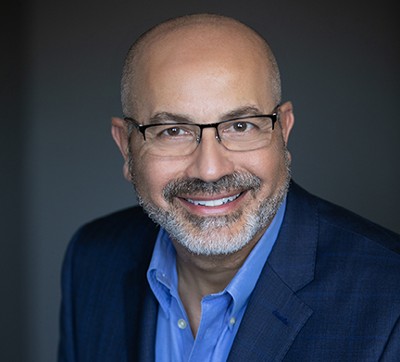
Samy Basta brings you more than 20 years experience in tax, financial, and business consulting to his role as founder of Basta & Company. His focus is primarily strategic business planning, empowering clients to set priorities, focus energy and resources, and strengthen operations. In addition, Samy and his firm provide strategic counsel, and technical insight, on a wide range of needs, including tax saving strategies, tax return compliance, as well as choice of entity.




100 Pine Street, Suite 1250
San Francisco, CA 94111